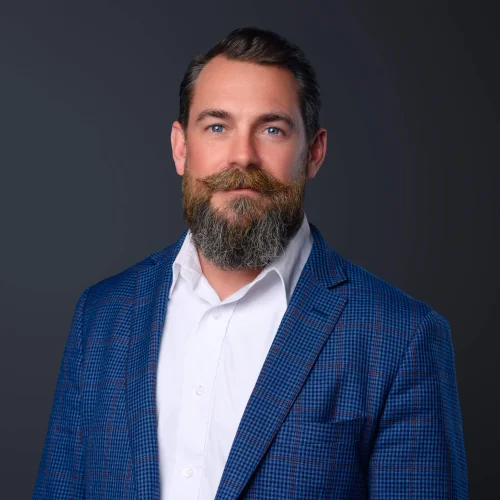
Interviewed by Michael Nelson • Article written directly from the recorded transcript using AI, editor-reviewed by Taylor Stone, and subject-verified.
Lauren Groff, Owner & CEO of Groff NetWorks, says one of the biggest challenges in running an IT business is learning to stop chasing the chaos that reactive work can create.
After 21 years in business, Groff has seen Groff NetWorks evolve from outsourced IT support to a business focused on managed services, strategic technology, and helping clients move from recurring problems to proactive solutions.
From IT Support to Strategic Technology
Groff NetWorks began as outsourced IT support, with managed services becoming part of the business as the technology and software behind proactive IT developed. But Groff quickly learned that technology alone could not create a proactive operation.
“We bought this expensive piece of software,” Groff said, explaining that the company discovered proactive service required more than purchasing the right tools. It required people, processes, and dedicated time. He also identified a broader challenge for business owners: “We have to get over chasing the chaos.”
For Groff, the same principle applies beyond IT. Fires and crises can consume the time that business owners should be using to plan for the next quarter, year, or several years ahead. That shift toward strategic planning has been an important part of the company’s development.
Changing the Economics of Reactive Work
Groff also described a fundamental problem with the traditional IT business model: when companies are paid based on time and materials, there can be a financial incentive for things to remain broken.
“It used to be literally the financial incentive. Time and materials. We needed things broken,” he said. As Groff NetWorks moved toward a model focused on preventing problems, the relationship with clients changed. Fewer problems could mean less service time spent reacting and more time available for preventative and strategic work.
That transition also changed how Groff viewed the company’s role. “My cash flow comes from broken things,” he said, describing the tension between a reactive revenue model and the goal of providing more strategic value. The challenge was finding a way to move from reactive work toward proactive service without losing sight of how the business actually generated revenue.
Peer Accountability and Finding the Next Ceiling
Groff credits peer networks and accountability with helping him recognize the business issues he could not always see himself. His groups include regular operations and sales accountability, along with deeper sessions focused on quarterly performance, problems, and exchanging ideas.
The value, he said, comes from honest feedback. During peer-group “hot seats,” Groff learned to move beyond telling people what he thought they wanted to hear and instead receive direct feedback about the beliefs and assumptions holding him back. “They help me see the blind,” he said.
That outside perspective also connects to one of Groff’s biggest lessons for growing businesses: core values need to become a practical decision-making tool. He said establishing those values was a major turning point for Groff NetWorks because they provide a lens for evaluating potential employees, partners, vendors, and clients.
For fractional executives and other business owners, Groff’s experience points toward a recurring challenge: growth requires recognizing when the systems, assumptions, and habits that worked previously have reached their limit. For Groff NetWorks, that has meant continuing to change the business rather than remaining tied to the model with which it began.